
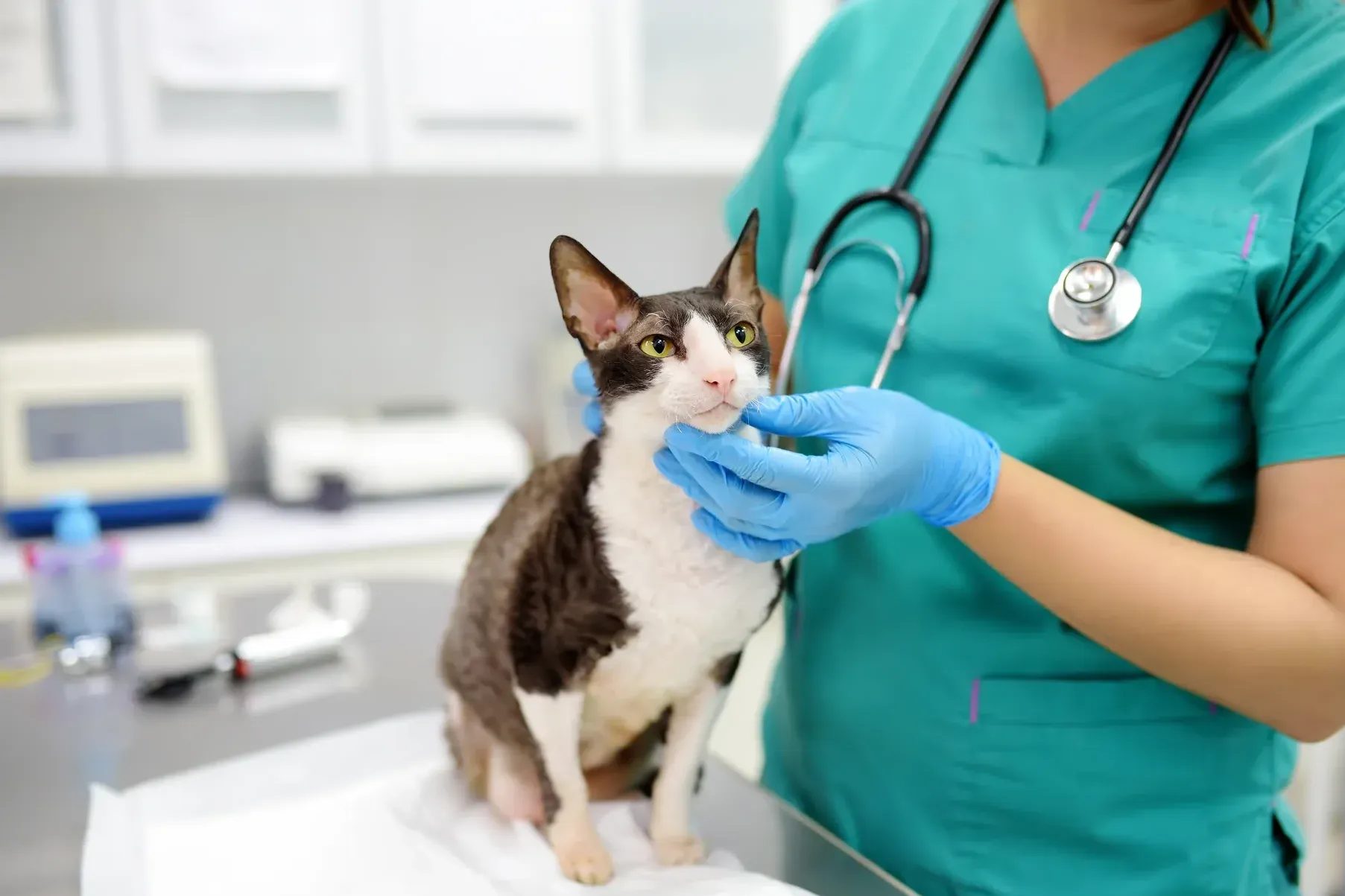
Cat Dental Care Newcastle: Professional Cleanings for Your Feline Friend
Cats Only Clinic in Rocklin provides professional cat dental care for Newcastle cats, including cleanings, X-rays, and extractions. We treat common diseases like resorptive lesions and periodontal disease under anesthesia, with at-home care tips to keep your cat's teeth healthy.
Common Cat Dental Diseases and How We Treat Them
Understanding your cat's dental health starts with knowing the most common conditions. Here's what we see and how we treat them at our Newcastle-area clinic.
| Disease | Description | Common Signs | Treatment at Cats Only Clinic |
|---|---|---|---|
| Periodontal Disease | Inflammation and infection of gums and tooth-supporting structures, caused by plaque and tartar buildup. | Red gums, bad breath, loose teeth, bleeding | Professional cleaning, scaling, and polishing; antibiotics if infection is present; extractions for advanced cases |
| Resorptive Lesions | Painful, tooth-destroying lesions where the tooth erodes from the gum line; cause unknown but common in cats. | Drooling, pawing at mouth, difficulty eating, tooth sensitivity | Dental X-rays to assess damage; extraction of affected teeth to relieve pain |
| Gingivitis | Inflammation of the gums, often early stage of periodontal disease. | Red, swollen gums; bad breath; bleeding when brushing | Professional cleaning, at-home brushing, and follow-up exams |
| Tooth Resorption | Similar to resorptive lesions, where the tooth structure breaks down internally. | Pain when eating, hiding, reduced grooming | X-ray diagnosis; extraction of affected teeth |
| Stomatitis | Severe, chronic inflammation of the mouth, often immune-mediated. | Pain, drooling, refusal to eat, weight loss | Medical management with anti-inflammatories; often full-mouth extractions for relief |
While cats can get cavities, they're rare. More often, we treat resorptive lesions and periodontal disease. If your cat needs teeth pulled, it's usually because advanced disease causes pain or infection. Our team uses anesthesia and dental X-rays to ensure safe, thorough care.

At-Home Cat Dental Care Tips for Newcastle Pet Owners
Preventing dental disease starts at home. Follow these steps to keep your cat's teeth clean between professional visits.
- Brush Daily — Use a cat-safe toothbrush and toothpaste (never human toothpaste, which can be toxic). Aim for daily brushing; even a few times a week helps.
- Offer Dental Treats and Diets — Some foods and treats are designed to reduce plaque. Ask us for recommendations during your visit.
- Use Dental Wipes or Gels — If your cat resists brushing, try finger wipes or enzymatic gels to rub on teeth and gums.
- Check for Signs of Trouble — Look for red gums, bad breath, or changes in eating habits. Early detection is key.
- Schedule Regular Professional Cleanings — At-home care reduces tartar but can't replace deep cleaning under anesthesia. Combine both for best results.
Never scrape tartar off yourself—it can damage enamel and gums. Let our team handle that safely.
Cat Dental Care Costs in Newcastle: What You'll Pay
The cost of cat dental care varies based on your cat's needs. Here's what influences the price.
| Factor | Why It Matters | Typical Range (General) |
|---|---|---|
| Exam and Consultation | Initial assessment of oral health | $50–$100, varies |
| Professional Cleaning | Scaling, polishing, and fluoride treatment under anesthesia | $200–$600, varies |
| Dental X-Rays | Reveal hidden issues like resorptive lesions or root abscesses | $50–$150, varies |
| Anesthesia | Ensures safety and comfort during procedure | $50–$200, varies |
| Extractions | Per tooth, depending on complexity | $50–$300 per tooth, varies |
| Medications | Antibiotics or pain relievers if needed | $20–$100, varies |
We accept cash, major credit/debit cards, and Care Credit to help manage costs. For a personalized quote, call us at (916) 435-9300. If you're worried about affordability, ask about our free first exam for new clients (terms apply).
Why Cat Dental Care in Newcastle Matters for Your Cat's Overall Health
Dental disease doesn't just affect your cat's mouth—it can impact their entire body. Bacteria from infected gums can enter the bloodstream, damaging the heart, kidneys, and liver. Cats often hide pain, so by the time you notice symptoms, disease may be advanced.
Most cats start showing dental issues by age 3 or 4, but it can happen earlier. Regular professional cleanings and at-home care can prevent pain, tooth loss, and systemic illness. At Cats Only Clinic, we focus on feline-specific dentistry to keep your cat healthy and comfortable. For more on general wellness, see our [[cat-vet-newcastle|cat vet in Newcastle]] page.
Tartar sauce
Tartar sauce is a creamy, mayonnaise-based condiment often served with fried seafood like fish and chips. It typically includes chopped pickles, capers, and herbs such as dill or parsley, giving it a tangy, savory flavor. While it's a popular accompaniment in many cuisines, including British and American, it has no connection to dental health. When it comes to your cat's teeth, tartar refers to hardened plaque that can lead to gum disease and tooth loss. Professional cleaning at our clinic safely removes this buildup, keeping your cat's mouth healthy.
Directions to our cat veterinarian near me from Jessup University
Start at Jessup University and head to Cats Only Clinic at 1220 Sunset Blvd, Rocklin, CA 95765.
Signs Your Cat Needs Dental Care: What to Watch For
Cats are experts at hiding pain, but these signs can alert you to dental problems. Check your cat regularly and call us if you notice any of these.
- Bad breath — Persistent halitosis often signals infection or decay.
- Drooling or pawing at the mouth — Indicates oral discomfort or pain.
- Red or swollen gums — A sign of gingivitis or periodontal disease.
- Difficulty eating or chewing — Dropping food, eating on one side, or avoiding hard food.
- Weight loss or reduced appetite — Pain may cause your cat to eat less.
- Yellow or brown tartar on teeth — Visible plaque buildup needs professional removal.
- Loose or missing teeth — Advanced disease or resorptive lesions.
- Behavior changes — Hiding, irritability, or decreased grooming can signal pain.
Not all bad breath means dental disease—sometimes it's diet or other issues—but it's worth a check. For more on recognizing problems, visit our [[cat-vet-newcastle|cat vet in Newcastle]] page.
What to Expect During a Professional Cat Dental Cleaning
Many owners worry about anesthesia, but it ensures your cat is safe, pain-free, and still during the procedure. Here's what happens at our clinic.
- Pre-Anesthetic Exam — We perform a thorough physical exam and blood work to ensure your cat is healthy enough for anesthesia.
- Anesthesia and Monitoring — Your cat is placed under general anesthesia, with continuous monitoring of heart rate, oxygen, and temperature.
- Dental X-Rays — We take full-mouth X-rays to check for hidden issues like resorptive lesions or abscesses.
- Scaling and Polishing — We remove tartar and plaque from above and below the gum line, then polish teeth to smooth surfaces.
- Extractions if Needed — Diseased or painful teeth are removed safely. We use local blocks for pain control.
- Recovery — Your cat wakes up in a warm, quiet area and goes home with aftercare instructions.
Dental cleaning is not painful during the procedure due to anesthesia. Afterward, we manage any discomfort with medication.
How Often Does Your Cat Need Dental Care?
Frequency depends on your cat's age, health, and breed. Use this general guide, but we'll recommend a schedule after an exam.
| Cat's Age/Health | Recommended Schedule | Notes |
|---|---|---|
| Kittens (under 1 year) | Annual exam, start home care | Early habits prevent future disease |
| Adults (1–7 years, healthy) | Annual professional cleaning | May need more if prone to tartar |
| Seniors (7+ years) | Every 6–12 months | Higher risk; even 14-year-olds benefit if healthy enough for anesthesia |
| Cats with existing disease | Every 6 months or as needed | More frequent cleanings may prevent extractions |
For a personalized plan, schedule an exam at our clinic. We serve Rocklin, Roseville, Lincoln, Loomis, Granite Bay, Penryn, Newcastle, and Auburn.
Cat Dental Care in Newcastle: Book an Appointment Today
Ready to protect your cat's smile? Here's how to get started with Cats Only Clinic.
- Call Us — Dial (916) 435-9300 to schedule a dental exam or cleaning. Walk-ins are welcome, but appointments are recommended.
- Visit Our Clinic — We're located at 1220 Sunset Blvd, Rocklin, CA 95765, near Newcastle and just off I-80. Open Mon 8:30 AM–6 PM, Tue 8 AM–6 PM, Wed–Fri 7:30 AM–6 PM, Sat 8:30 AM–1 PM. Closed Sunday.
- Bring Your Cat — Our cats-only environment reduces stress. New clients enjoy a free first exam (terms apply).
- Ask About Payment — We accept cash, cards, and Care Credit. We'll give you a cost estimate before any procedure.
We serve the entire Newcastle area, including Rocklin, Roseville, Lincoln, Loomis, Granite Bay, Penryn, and Auburn. For more on our services, see our cat vet near me page.
Sources
Also asked as
- What are common cat dental diseases and treatments?
- How much does cat dental care cost in Newcastle?
- What can I do at home for my cat's teeth?
Frequently asked questions
What if I can't afford my cat's tooth extraction?
If cost is a concern, we offer payment plans through Care Credit, which can spread out expenses. You can also ask about our free first exam for new clients (terms apply). We'll discuss all options to ensure your cat gets necessary care.
How do cats act if they have a bad tooth?
Cats often hide pain, but signs include drooling, pawing at the mouth, eating on one side, dropping food, reduced appetite, or hiding more than usual. Some may become irritable or stop grooming. If you notice these changes, schedule a dental exam.
Should cats go to the dentist?
Yes, cats need regular professional dental care just like people. Annual cleanings under anesthesia can prevent painful diseases like resorptive lesions and periodontal disease, which affect overall health. At-home care complements but doesn't replace professional cleanings.
Is dental cleaning painful for cats?
During the procedure, your cat is under general anesthesia, so they feel no pain. Afterward, some soreness is normal, but we provide pain medication if needed. Most cats recover quickly and feel better after unhealthy teeth are treated.
Can I scrape tartar off my cat's teeth?
No, scraping tartar at home can damage tooth enamel and gums, and you may miss hidden issues below the gum line. Professional cleaning with scaling and polishing under anesthesia is the only safe way to remove tartar completely.